1. How a Vertical Smoker Works
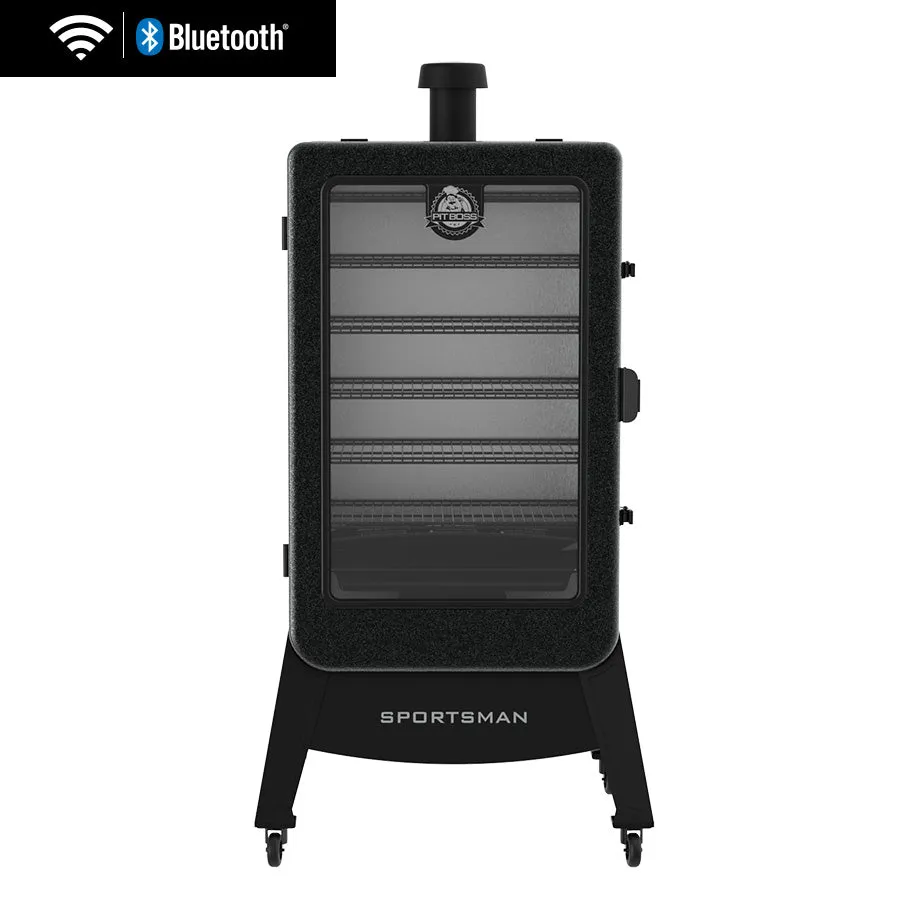
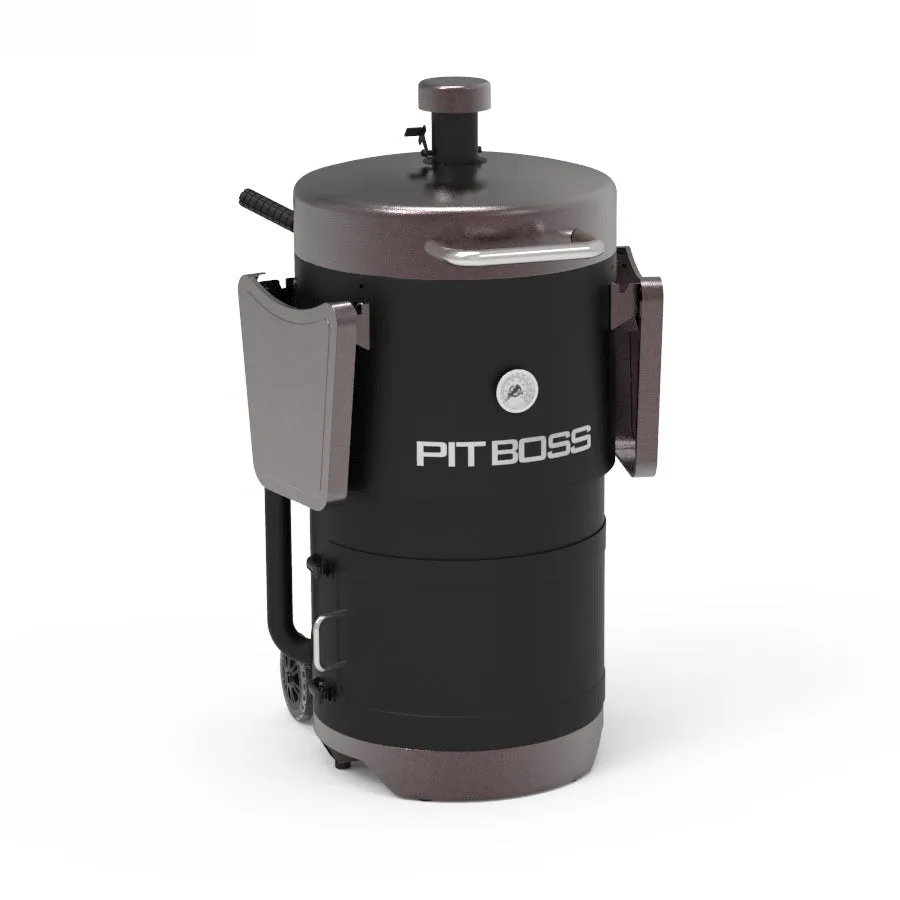
A vertical smoker places its cooking racks above the heat source inside an upright cabinet. The stacked layout can provide several levels for food without the long horizontal footprint of an offset smoker. It suits patios where usable floor space matters, but remember to check the assembled dimensions and the clearance required around the exact model.
Vertical describes the cooker's shape, not its fuel. The Emberly collection includes pellet, electric, gas and charcoal models. Their controls, power needs and tending routines differ, so choose the way you want to cook before comparing finishes or accessories.
2. Choose a Fuel and Control Style
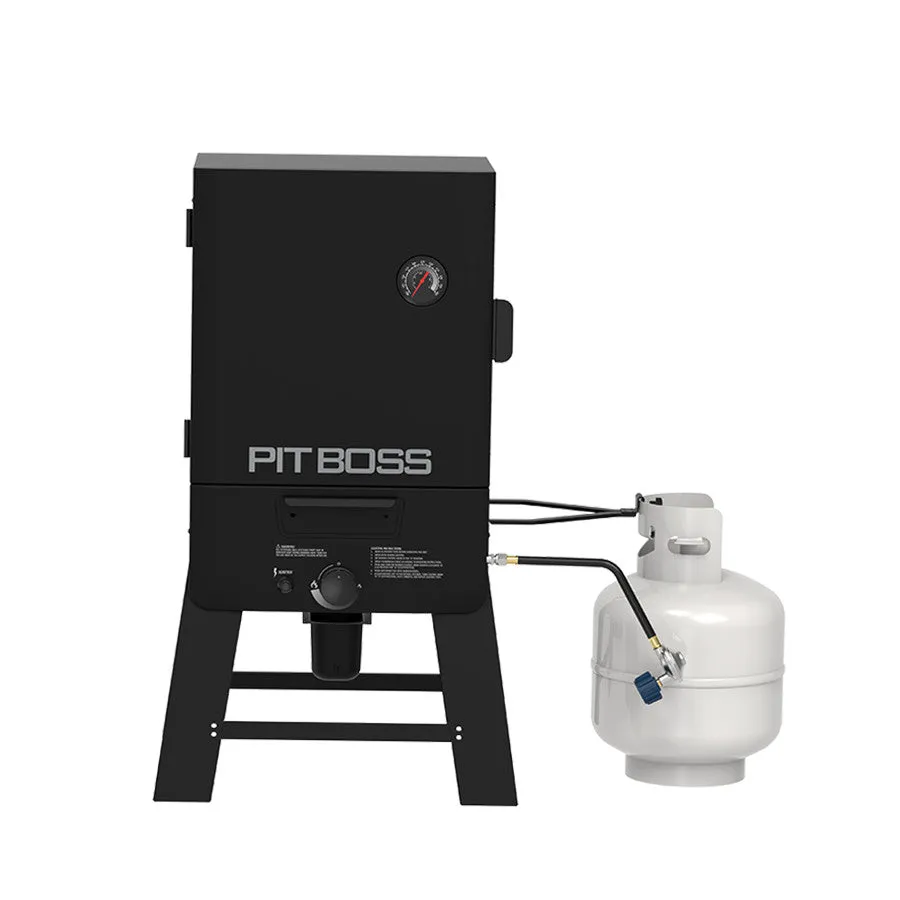
Pellet smokers feed hardwood pellets into a fire and use powered controls to manage the cook. They suit shoppers who want a set temperature and wood-fired cooking; check each listing for its controller, hopper and connectivity details. Electric models use an electrical outlet and heating element, while gas models use propane. Confirm the power source and fuel supply fit the place where you plan to cook.
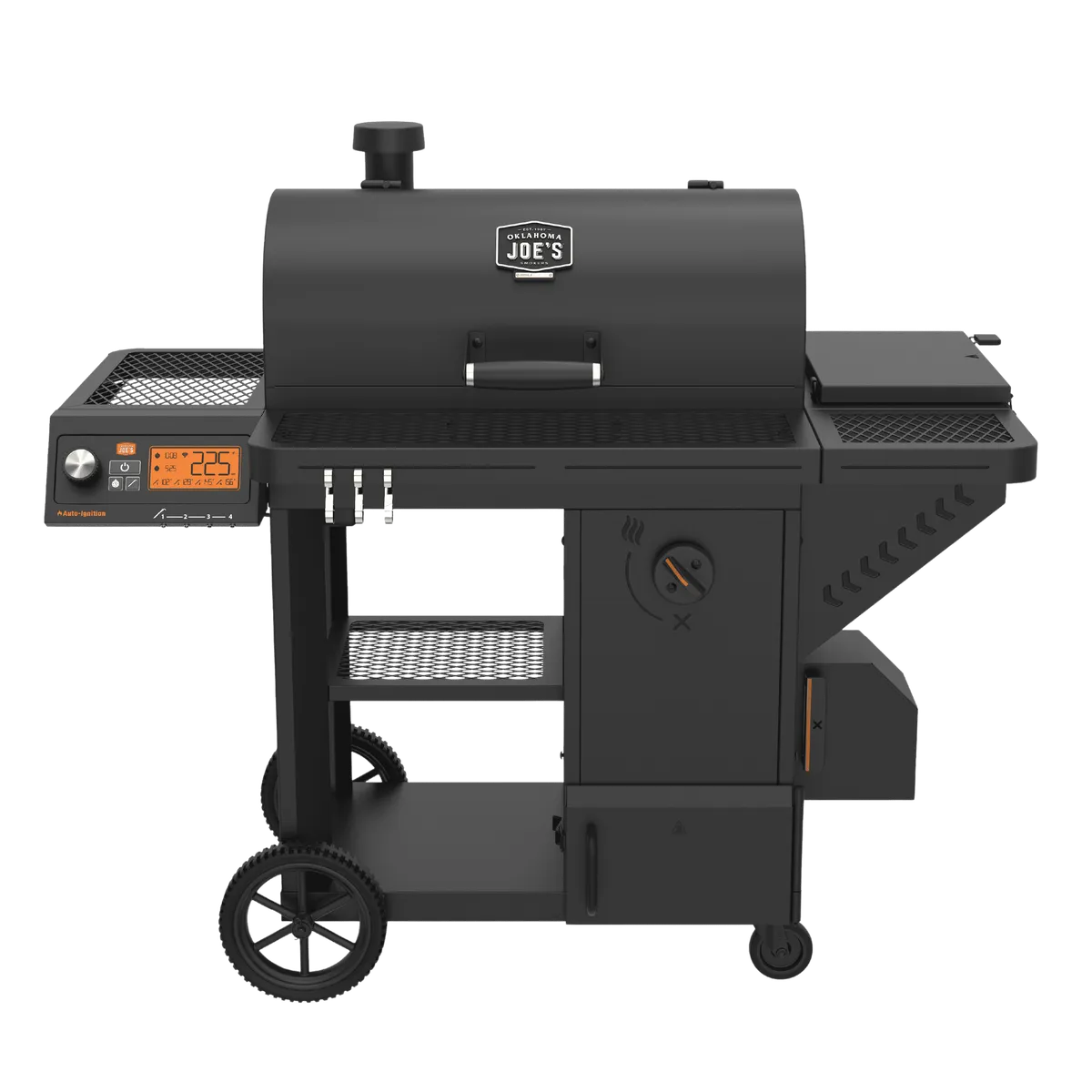
Charcoal gives you a different routine. A traditional charcoal smoker asks you to manage the fire and airflow yourself. If you like charcoal flavor but want less frequent tending, the Oklahoma Joe's Tahoma 900A DLX uses an auto-feed system to keep feeding charcoal during a cook and connects to the brand's app over Wi-Fi.
Don't assume a feature from the fuel name alone. Wi-Fi, meat probes, temperature displays and included accessories vary by model. Compare the individual product details for the features that matter to you.
3. Decide How Hands-On You Want to Be
Ask how much attention you want to give the fire. With a manual charcoal smoker, you make the airflow adjustments and tend the fuel. An auto-feed charcoal model handles feeding coals during the cook, but you still need to prepare the smoker, follow its instructions and monitor the food.
Pellet, electric and gas smokers reduce some parts of fire management, but they are not interchangeable. Pellet and electric models need power; gas models need the correct propane setup; charcoal models need fuel and ash cleanup. Think about your routine and the equipment you already have.
4. Match Cooking Space to Your Cooks
Compare the listed cooking area, number and dimensions of racks, and overall cabinet size. Total square inches alone do not tell you whether a rack will fit a large brisket, a row of ribs or the pans you use. Check the product's measurements and arrange food across the racks in the way you expect to cook.
A larger cabinet can offer more room for gatherings, but it also takes more patio space and may need more fuel. For occasional meals, a smaller model may be easier to place and manage. Leave the clearances required by the manufacturer, especially around a hot cooker, a gas connection or an electrical cord.
5. Compare Practical Features
Before choosing, look for the features that will change your day-to-day use: an accessible fuel hopper or firebox, removable racks, a way to manage grease and ash, and controls you can read while cooking. If you want app control, verify that the specific model supports it and what functions the app provides.
Some vertical cookers are also described as smoker-grill combinations, but that is not true of every model. Use the product listing to confirm whether a cooker supports direct grilling or other cooking methods instead of assuming the cabinet shape determines what it can do.
6. A Quick Buying Checklist
1. Pick a fuel you can store and use at your cooking location. 2. Choose the amount of fire tending and control you prefer. 3. Check rack dimensions against the food you cook. 4. Measure the patio and allow for manufacturer clearances. 5. Confirm the listed accessories, controls and power requirements on the product page.
If you are comparing cabinet smokers with a horizontal cooker, see our offset smoker guide for the firebox layout and tending routine. When fuel is your main decision, our charcoal-versus-pellets guide covers the differences between those cooking fuels.
Featured Gear in This Guide
Frequently Asked Questions
Do all vertical smokers need electricity?▼
No. Pellet and electric models need an outlet, while gas and charcoal models use other fuel sources. Check the power and fuel requirements on the specific product listing.
Can a vertical smoker also grill?▼
Some models are listed as smoker-grill combinations, but not all vertical smokers offer direct grilling. Confirm the cooking methods on the product page before buying.
How do I know how much food fits in a vertical smoker?▼
Compare the product's total cooking area with the dimensions and number of racks. Check whether the individual racks fit the cuts, pans or trays you plan to use.
Brands & Related Guides
Built to Hold Heat. Guaranteed for 3 Years.
Every grill, smoker, and oven in our catalog is backed by Emberly's 3-year guarantee, 30-day fire-it-up returns, and free shipping from $599 across the US ($999 Int'l).