
1. How Offset Smokers Work
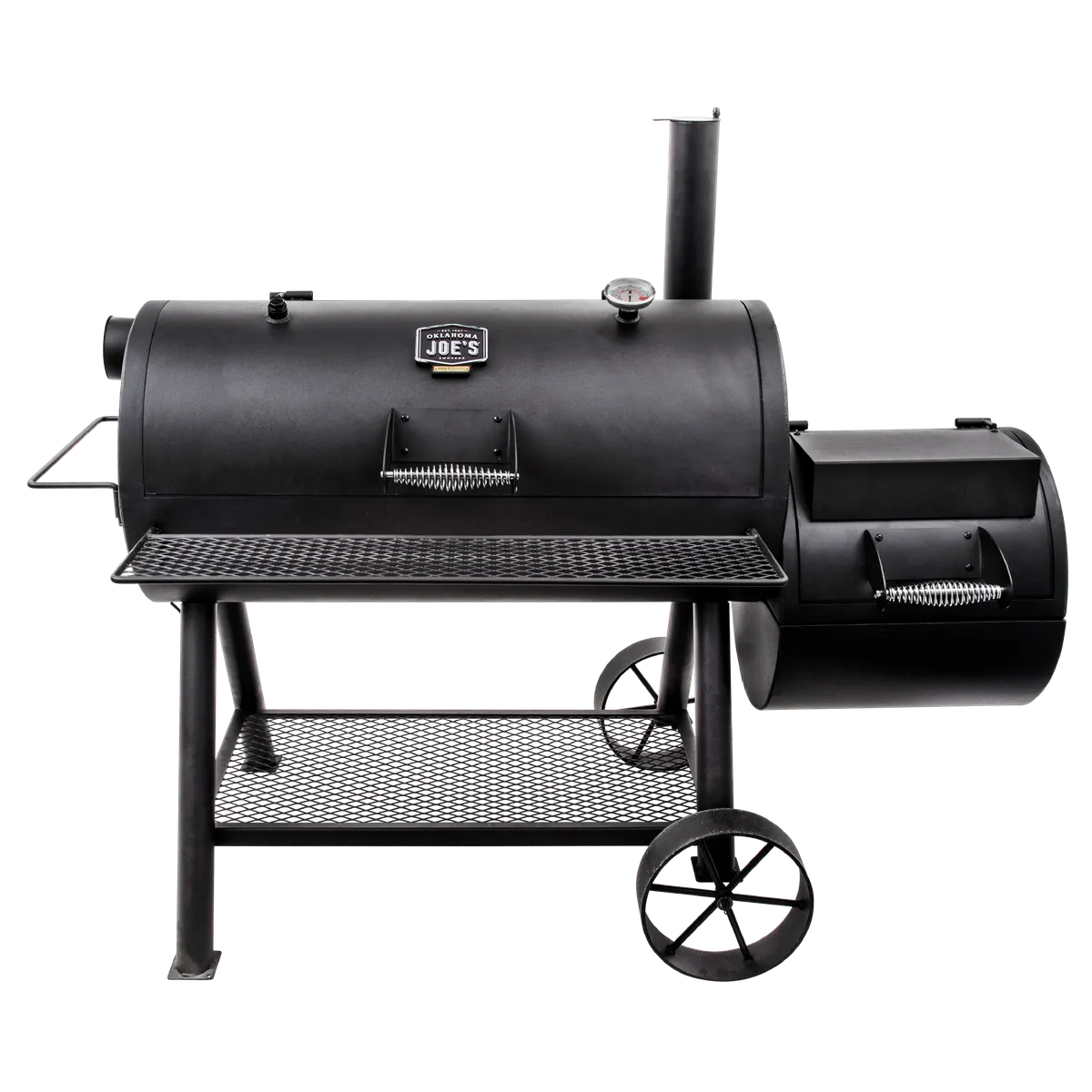
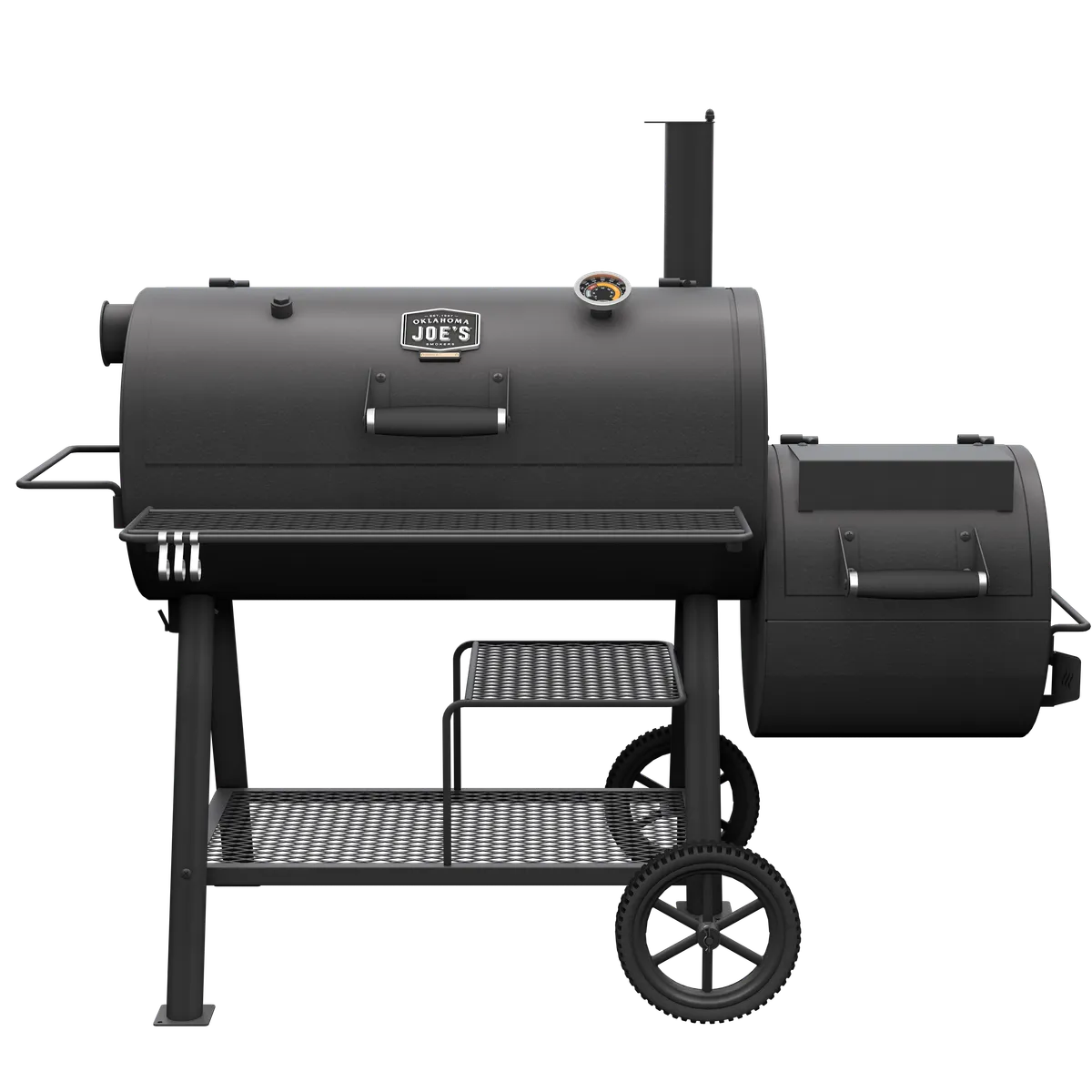
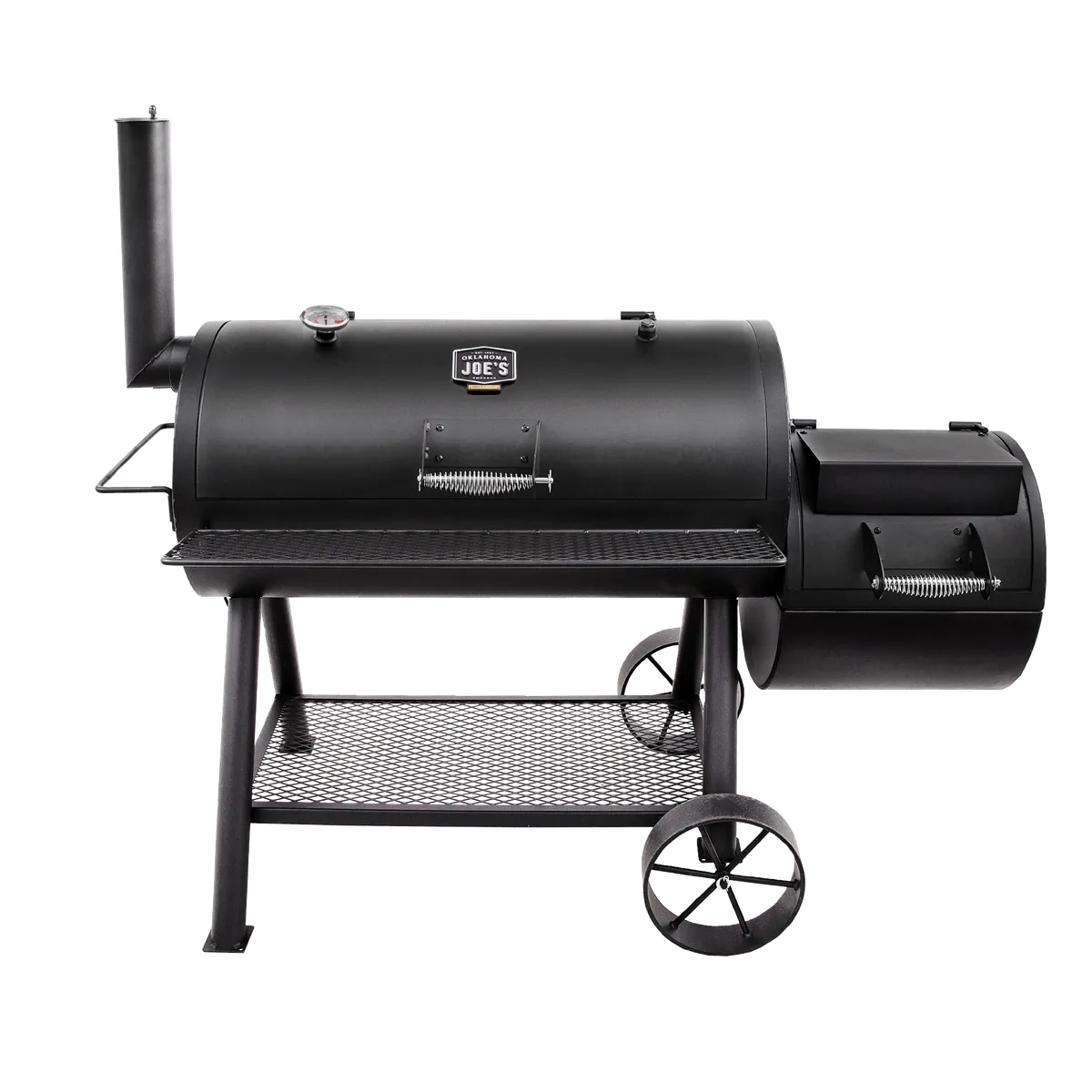
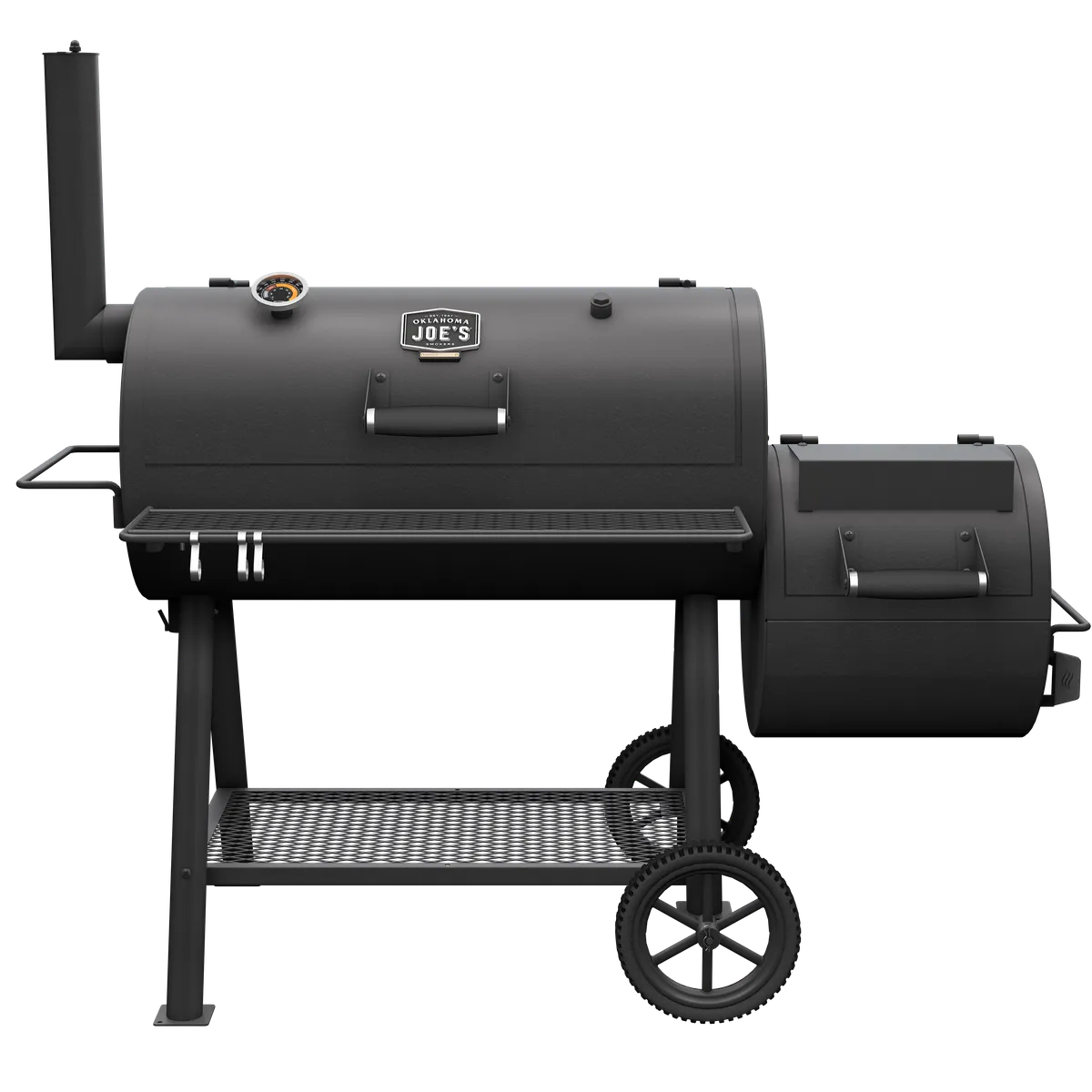
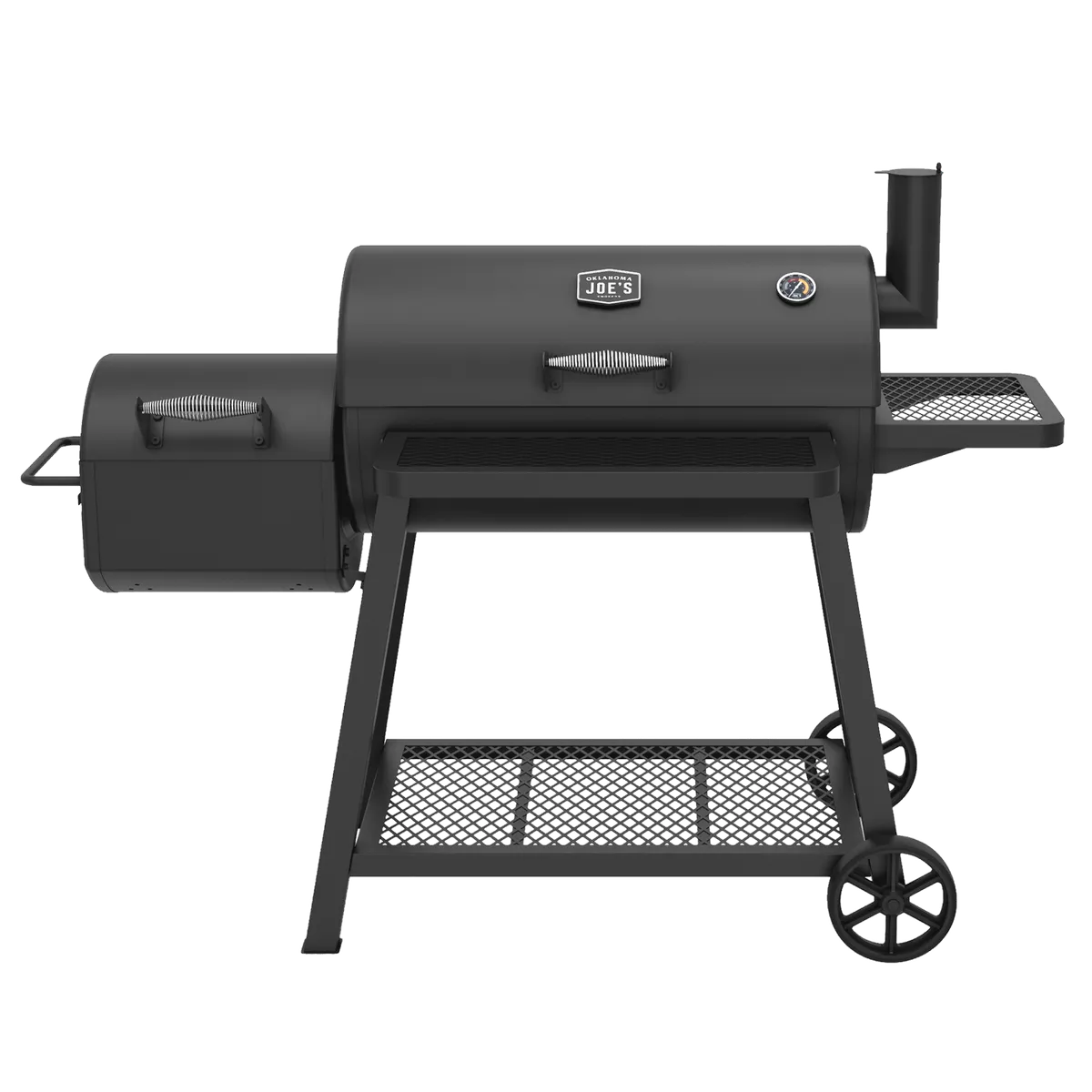
An offset smoker consists of two chambers: a smaller firebox attached low and to the side, and a larger horizontal cooking chamber. Heat and aromatic wood smoke travel horizontally across the meat before exiting through a smokestack exhaust at the opposite end.
In reverse-flow models (such as Oklahoma Joe's Longhorn Reverse Flow), an internal baffle plate forces the heat underneath the cooking grates all the way to the far end, before reversing back over the meat toward a smokestack located above the firebox. This eliminates hot spots and produces remarkably even cooking temperatures.
2. The Secret of 'Thin Blue Smoke'
The biggest mistake beginners make is choking down their smoker vents in an effort to lower the temperature. Choking off oxygen starves the fire, causing incomplete combustion that produces thick, billowing white smoke. White smoke is loaded with bitter creosote that leaves meat tasting acrid and numbing on the tongue.
True pitmasters aim for 'thin blue smoke'—a nearly invisible, sweet-smelling haze shimmering from the exhaust. To achieve this, your firebox intake and smokestack dampers must remain mostly open to maintain brisk airflow. Regulate your cooking temperature by the size of your wood splits, not by suffocating your fire.
3. Building & Maintaining the Coal Bed
Start your cook with a full chimney of lit natural lump charcoal in the firebox. Once the charcoal is glowing and ash-covered, push it together to create a concentrated coal bed.
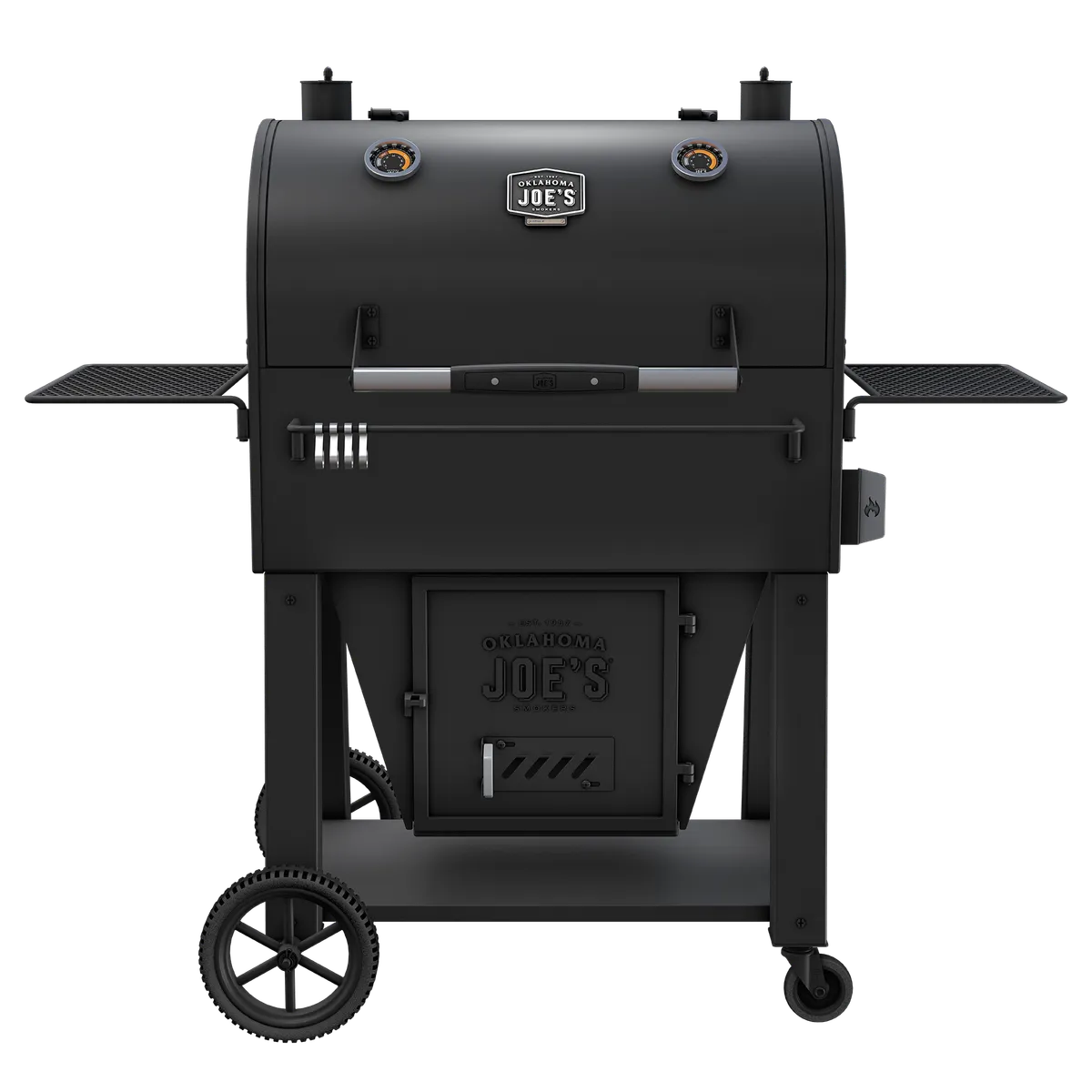
Add one or two seasoned hardwood splits (such as post oak, hickory, or pecan). Place the next split on top of the firebox lid to pre-warm it before adding it to the flames; warm wood ignites immediately on contact with the coals rather than smoldering and puffing dirty smoke. Add a fresh split every 45 to 60 minutes to maintain steady heat.
Featured Gear in This Guide
Frequently Asked Questions
What wood is best for smoking beef brisket?▼
Post oak is the classic Central Texas choice, delivering a mild, clean, balanced wood flavor that lets the beef shine. Hickory and pecan are also excellent for richer, punchier flavor.
Why does my offset smoker have a large temperature difference from left to right?▼
Traditional offset smokers naturally run hotter near the firebox throat. You can equalize chamber temperatures by installing a tuning plate, using a water pan near the firebox opening, or upgrading to a reverse-flow model.
Brands & Related Guides
Brands in this guide
Built to Hold Heat. Guaranteed for 3 Years.
Every grill, smoker, and oven in our catalog is backed by Emberly's 3-year guarantee, 30-day fire-it-up returns, and free shipping from $599 across the US ($999 Int'l).